
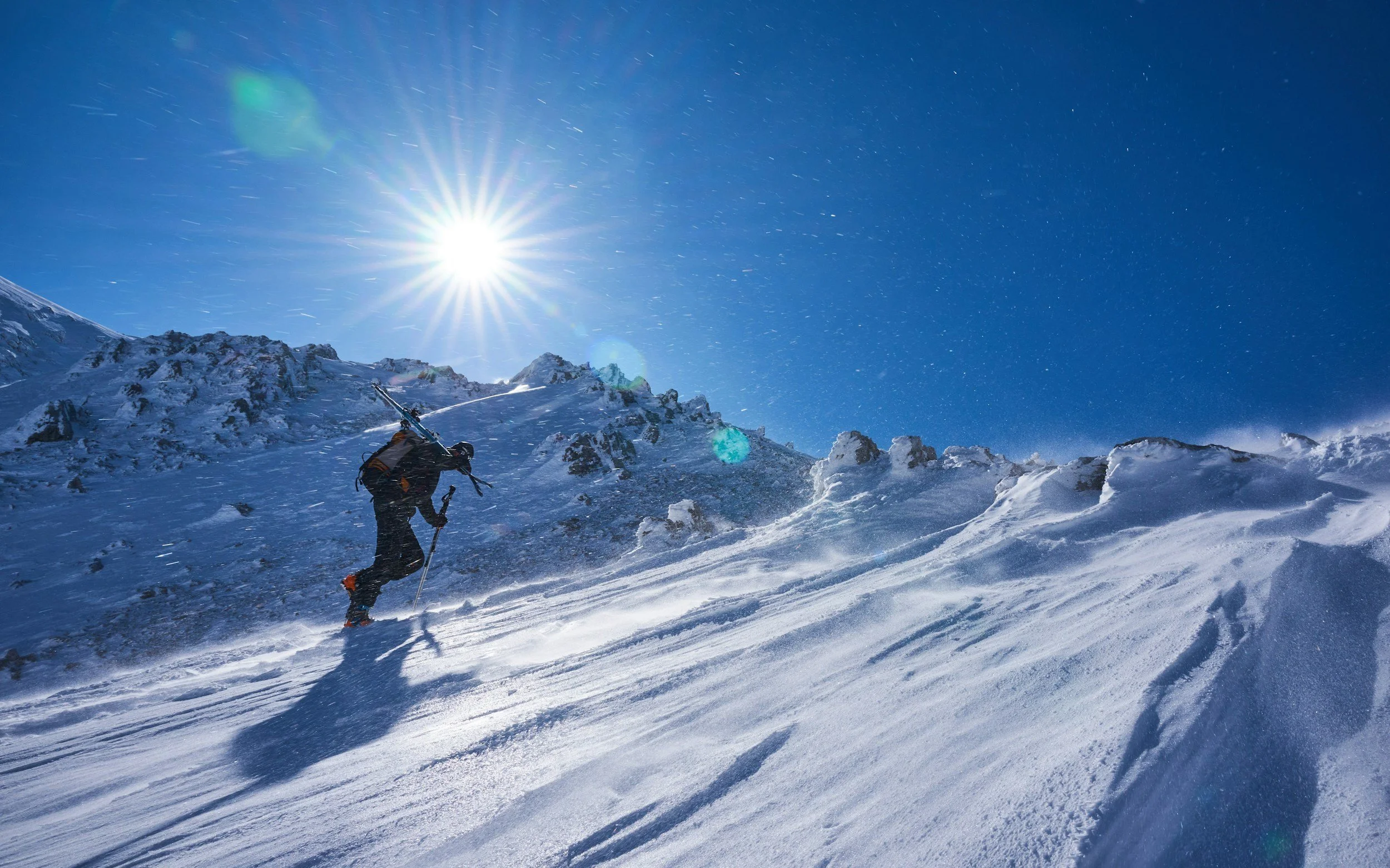
Introduction to Ski Mountaineering
Season: Winter
Duration: 8 hours
Group size: Up to 6
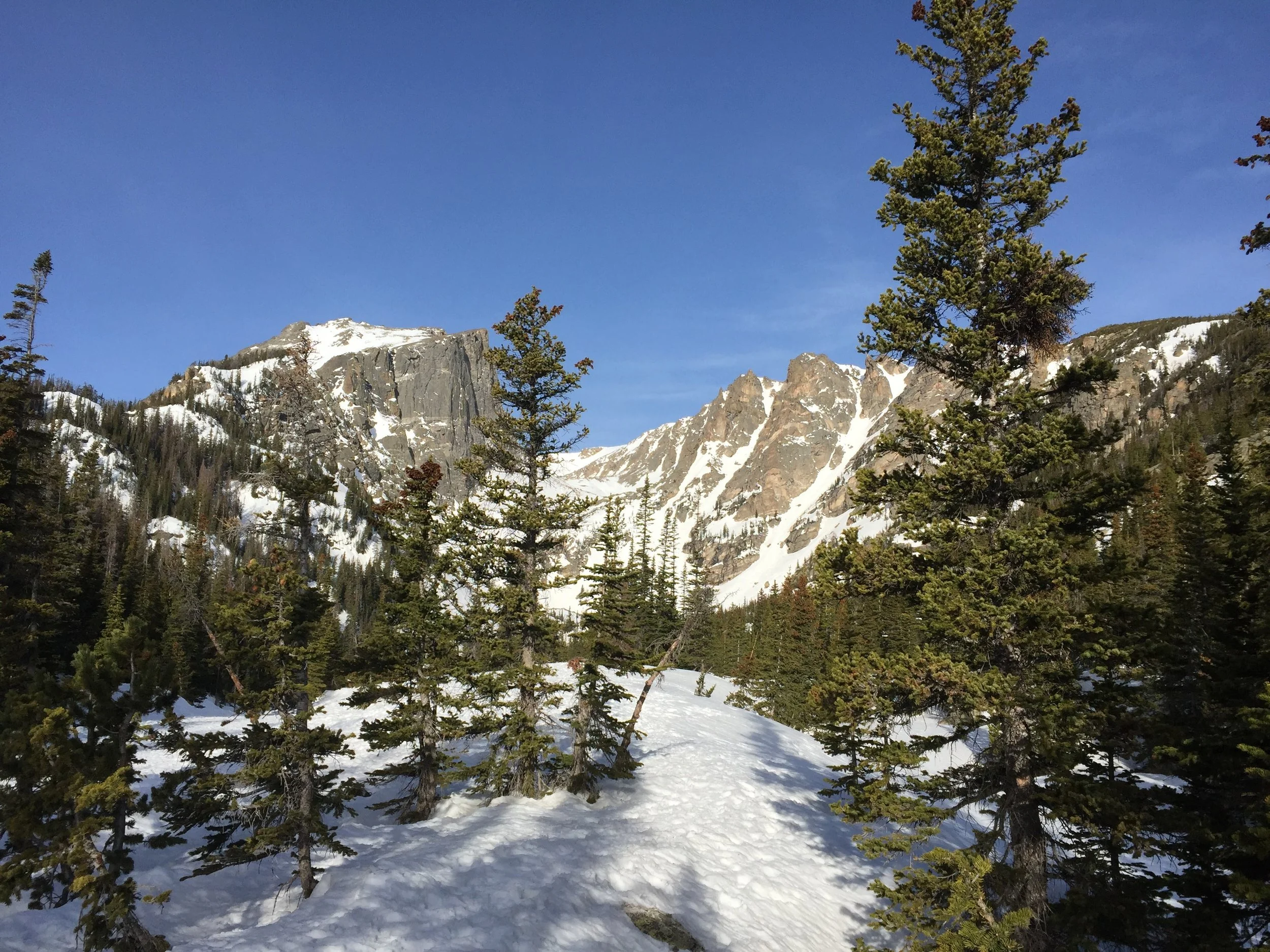
Location: Rocky Mountain National Park
Description
A focused, single-day ski mountaineering course designed for intermediate to advanced backcountry skiers who want hands-on experience with steep, technical couloir ascents and descents in Rocky Mountain National Park. The day emphasizes practical skills: efficient uphill movement on steep terrain, safe and controlled steep-snow skiing, rope management, route selection through couloirs, and risk mitigation strategies including avalanche awareness.
Learning objectives
Demonstrate proper gear selection and fit for ski mountaineering, including touring skis, bindings, boots, skins, avalanche safety equipment (beacon, probe, shovel), helmet, layers, and pack organization for a day trip.
Execute efficient transitions between downhill and uphill modes (skin-on, skin-off, crampon/binding changes, and bootpacking) with safe, quick techniques appropriate for varied terrain.
Use skis and skins to travel uphill with effective kick-turns, herringbone, and side-stepping techniques on slopes of varying steepness while conserving energy and maintaining balance.
Apply safe downhill skiing techniques in backcountry snow conditions (variable snow, wind slab, crust, and soft snow), including turn shape selection, speed control, terrain selection, and slope management.
Perform basic route-finding and terrain selection for ski mountaineering: reading topography and slope angle, identifying safe ascent and descent lines, choosing conservative routes relative to objective hazards (cliffs, cornices, creeks).
Understand avalanche fundamentals: snowpack structure, primary avalanche types, common triggers, and seasonal/weather factors that influence avalanche hazard in the Park.
Conduct a professional avalanche risk assessment using available information: interpreting avalanche forecasts, recent weather history, wind-loading indicators, snowpack signs (recent avalanches, whoomphing, cracking), and estimating slope aspect and angle.
Demonstrate decision-making frameworks for backcountry travel (e.g., conservative heuristics and human-factor awareness), including group management, communication, turn-taking, and go/no-go criteria.
Apply Leave No Trace principles in alpine and subalpine environments: minimizing human impact on vegetation, wildlife, and fragile soils; proper waste management; and route selection to limit erosion and disturbance.
Demonstrate situational awareness and risk mitigation specific to Rocky Mountain National Park: recognizing park-specific hazards (rapid weather change, altitude-related effects, cliff exposure, wildlife encounters), pacing and acclimatization strategies for altitude, and respecting park regulations and closure areas.
Evaluate personal fitness and technical readiness for ski mountaineering objectives: identifying appropriate personal goals for the day, recognizing limits, and planning a safe itinerary consistent with group ability and conditions.
Practice effective buddy and group protocols: pre-trip briefing, assignment of roles (lead, sweep), spacing and travel order, communication signals, and post-trip debrief to capture lessons learned.
Reflect on skills learned and create a personal action plan: identify three technical or decision-making skills to continue practicing, resources for further learning (courses, reading, local avalanche center), and suggested next steps for progressing in ski mountaineering.
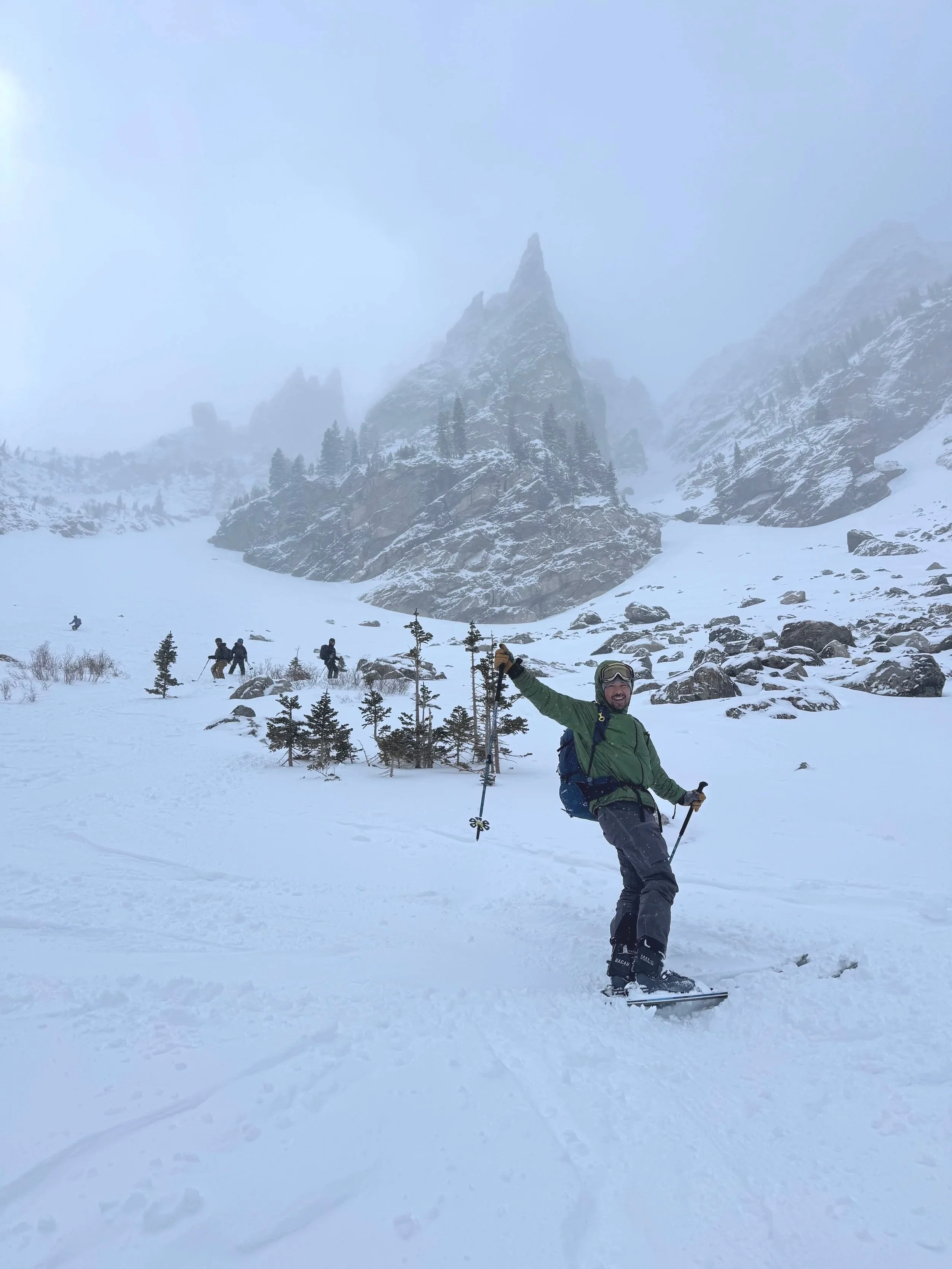
What can you expect from your day
Sample schedule
Meet at trailhead early morning for gear check and briefing.
Short drive to chosen objective inside the park depending on conditions and permits.
Warm-up skin on moderate terrain; review travel order, spacing, and communications.
Technique session: kick turns, efficient switchback skinning, use of crampons and ice axe where required.
Route reconnaissance and line choice for a selected couloir: reading snowpack layering, anchors, and escape options.
Progressive technical ascent of the couloir: ropework for steep booting (short-roping, moving together, fixed lines if necessary).
Transition practice at ridge or col: crampon removal, crampon check, ski packing/unpacking for a safe descent.
Controlled steep-snow descent through the couloir with coaching on turn shape, edge control, speed management, and fall recovery.
Debrief, Q&A, and return to trailhead by late afternoon.
FAQ
-
We will provide a complete detailed gear list at the time of booking but some key items include:
Touring skis with AT or hybrid touring bindings, skins, and functioning brakes OR splitboard with bindings and skins (we have rentals available at Wildcat Mountaineering)
Ski poles
30 L Backpack
Avalanche beacon, shovel, probe (required); practice units are available if needed—verify when booking.
Ice axe, helmet, touring poles, and ski crampons if conditions warrant.
Warm layers, gloves, goggles, helmet, sun hat.
Lunch, snacks, water, and sunscreen. Personal first-aid and any required medications.
Emergency communication device (PLB or satellite messenger recommended in addition to phone).
-
You will receive some rudimentary avalanche education, however we highly recommend that you take a 3-day AIARE Level 1 course to better understand with decision making in avalanche terrain. Some topics we may cover during this course include:
Trip planning and objective hazard reduction: reading forecasts, recognizing changing conditions, and setting conservative turn goals.
Avalanche problem identification: understanding slab, wind, and persistent weak layer concerns common in the Rockies.
Terrain management: slope angle, aspect, ridgelines, and safe travel routes to avoid avalanche-prone terrain.
Group management: spacing, communication, role assignment, and protocols for unexpected hazard encounters.
Emergency preparedness: basic self-rescue priorities, hypothermia avoidance, and when/how to call for professional rescue.
-
Strong on-piste skiers comfortable with variable snow and off-piste terrain.
Backcountry skiers with prior uphill travel experience (skins/crampons) seeking to progress to technical, steep couloir terrain.
Participants should be physically fit for continuous uphill travel of several hundred to a thousand vertical feet and able to ski steep, narrow lines.
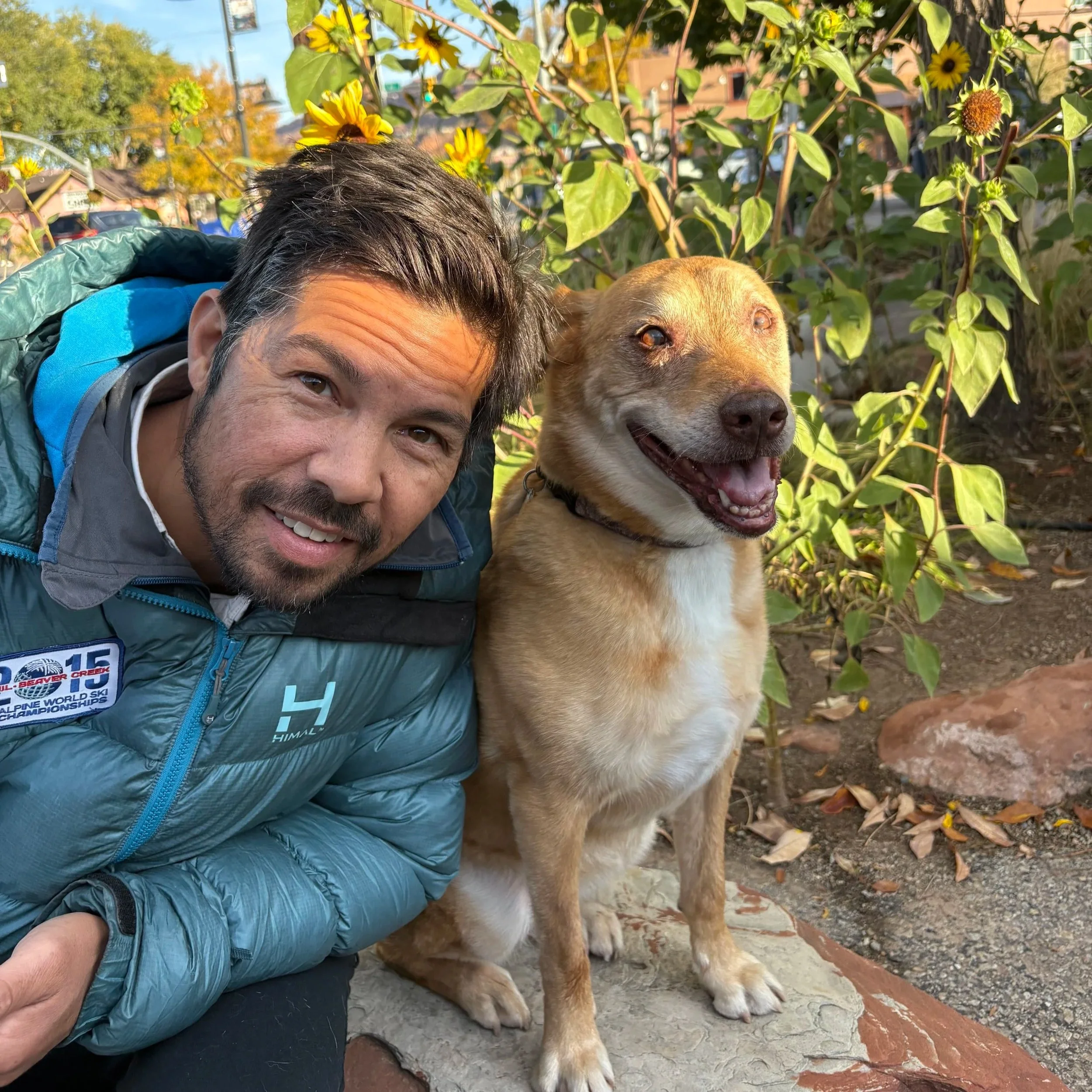
Jesse Tembrevilla Ramos
Owner and Head Guide
Why Hire a Certified Guide?
Professional Training & Experience
AMGA-certified guides bring world-class skills in mountain navigation, safety, and risk management — ensuring you’re in expert hands from start to finish.Customized to You
We tailor each day based on your fitness, interests, and goals. Whether you're new to hiking or looking to level up, we’ll design the perfect experience.Safety & Logistics Handled
Route planning, permits, weather assessments, gear recommendations, and emergency preparedness — it’s all taken care of.Learn As You Go
Gain valuable mountain skills, from efficient hiking techniques to trail navigation, layering systems, and altitude management.
What's Included with all BMG Trips
Route planning and customization
Safety equipment and group gear
Pre-trip consultation (gear, fitness, altitude)
Optional transportation and gear rental coordination
All trips are operated with a focus on Leave No Trace ethics, environmental stewardship, and mountain safety.